
Lower back pain: an epidemic of the modern age, for which there is a solution
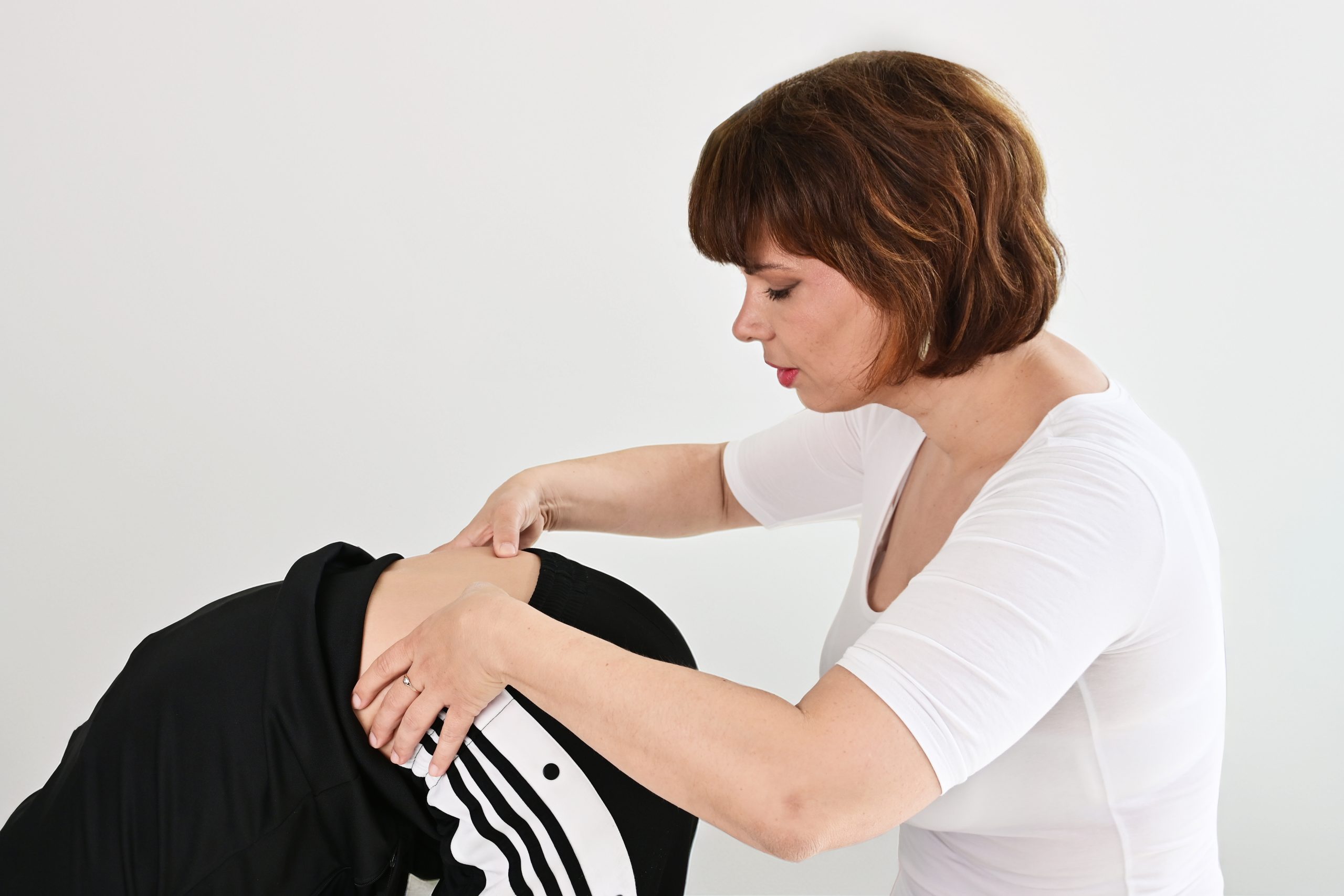
Today, we struggle with many complaints that our grandparents perhaps never encountered, or encountered to a much lesser extent. It is characteristic of this fast-paced world that we want everything quickly, immediately—and in the meantime, we leave no time for ourselves for anything: neither for experiencing beautiful moments nor for healing.
We don't move. We sit in one place at the office, running in the hamster wheel, and staring outside: wishing we were outdoors. Then, arriving home tired, we sit down in front of the TV or with a good book. This forced immobility leaves its mark on our body—and perhaps on our soul as well. After all, we are not doing what we want to do.
Our musculoskeletal system is crying out for help. It wants to move, to stretch. To play, to run around, to break out of the sluggishness.
Why does your lower back hurt of all places?
We wonder why it hurts. We can no longer focus on work; our thoughts revolve around when it will be over. Our performance decreases, and we lose our enthusiasm for life.
In sedentary or standing work, lower back pain is the most common complaint, occurring mostly due to continuous, one-sided, often static strain. Unfortunately, we often don't take the first signs seriously—and then, if the pain becomes persistent or radiates into our legs, we suddenly want an immediate solution.
This pain can be acute or chronic depending on when it developed. Its triggering cause can also be varied: anatomical deviations, a sedentary lifestyle, desk work, stress, physical exertion. As a physiotherapist, I encounter this complaint daily.
I believe in prevention
Certain sections of our spine are very mobile, while others are less so. Therefore, it is not enough if we sit and continuously load it in a flexed position: it must be moved in every possible direction. We need to dedicate time to ourselves—me-time. én-időt.
When pain becomes the controller of our lives, let us consult a rheumatologist, an orthopedic doctor, or a physiotherapist who has the experience and knowledge to help. I say knowledge because sympathy alone is not enough for proper care: a physiotherapist spends a vast amount of time studying in continuing education to be able to help.
What can you do today?
- Choose a qualified specialist and don't expect it to go away in a single day.
- Allow time for recovery—take sick leave if necessary.
- Follow everything they advise, all of it.
- In the long term, plan, make changes, and move!
Let us reprogram our lives and step out of the captivity of everyday routine. Come on, start with me!
If you would like us to assess your complaints and prepare a personalized plan for you, BOOK AN APPOINTMENT ATOR CHECK OUT OUR OTHER assessment and screening services.